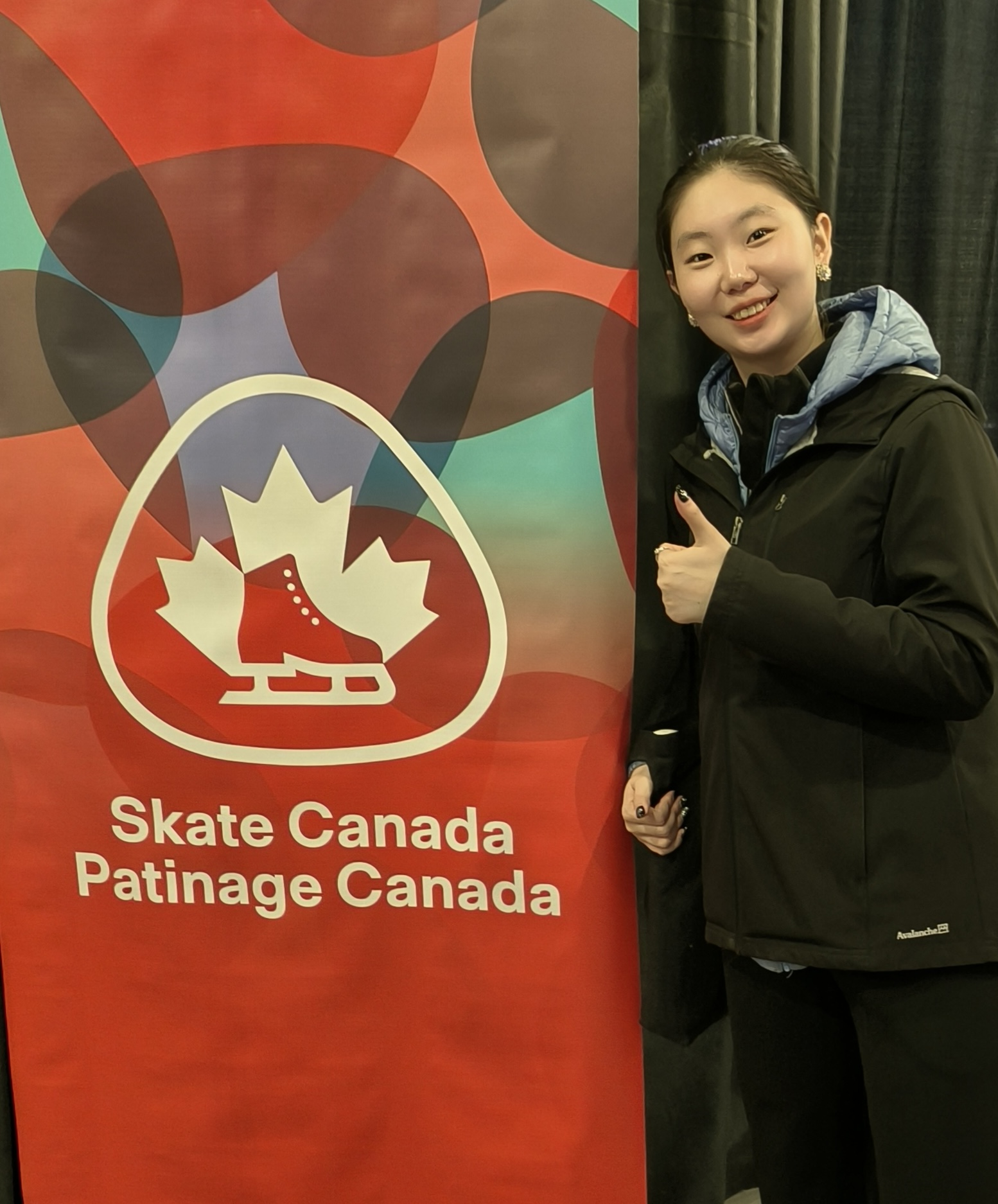
Jiayi (Emma) Xu
Jiayi Xu (Emma) is a Master's student in the Department of Physics at the University of Toronto who works on multi-object spectrograph development and balloon-borne telescope instrumentation. Her current research focuses on optical system design, calibration, and performance evaluation, as well as synthetic photometry studies for instrument characterization and planning. She plays an important role in bridging engineering designs with scientific objectives by building tools like exposure time calculators to help evaluate system capability and optimize science target selection. She completed her Honours Bachelor of Science with High Distinction at the University of Toronto with the department of Astronomy, where she gained experience in statistical analysis, advanced programming, hands-on experiments, and theoretical studies on early-Universe evolution. Her interest in optical astronomical instrumentation fuels her passion to further her graduate education.
Research Projects
Click panels to check out more details for DMD-MOS and GigaBIT
DMD-MOS
Digital Micro-mirror Device based Multi-Object Spectrograph
DMD-MOS website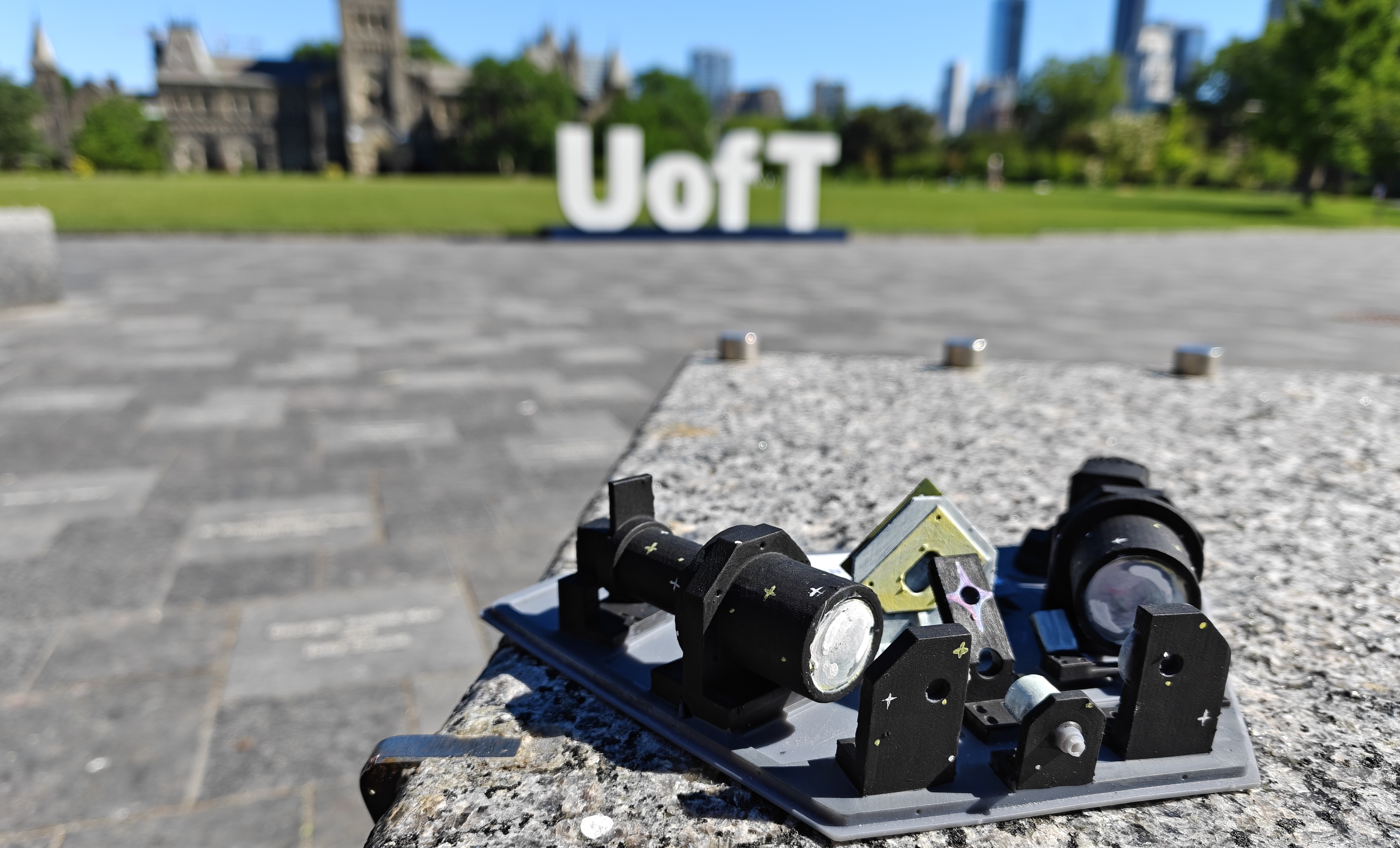
Supervisors: Dr. Shaojie Chen, Dr. Sarik Jeram, Prof. Ting Li. (UofT)
My work: Assembly, Optical Alignment, Calibration, System Performance Tests, Sky Tests.
✨ DMD-MOS used a DMD to instantly configure multi-slits masks for the incoming telescope field, thus minimizing telescope overhead and facilitating efficient observing for hundreds of targets, which is an absolute game changer of next generation multi-objects spectrograph.✨
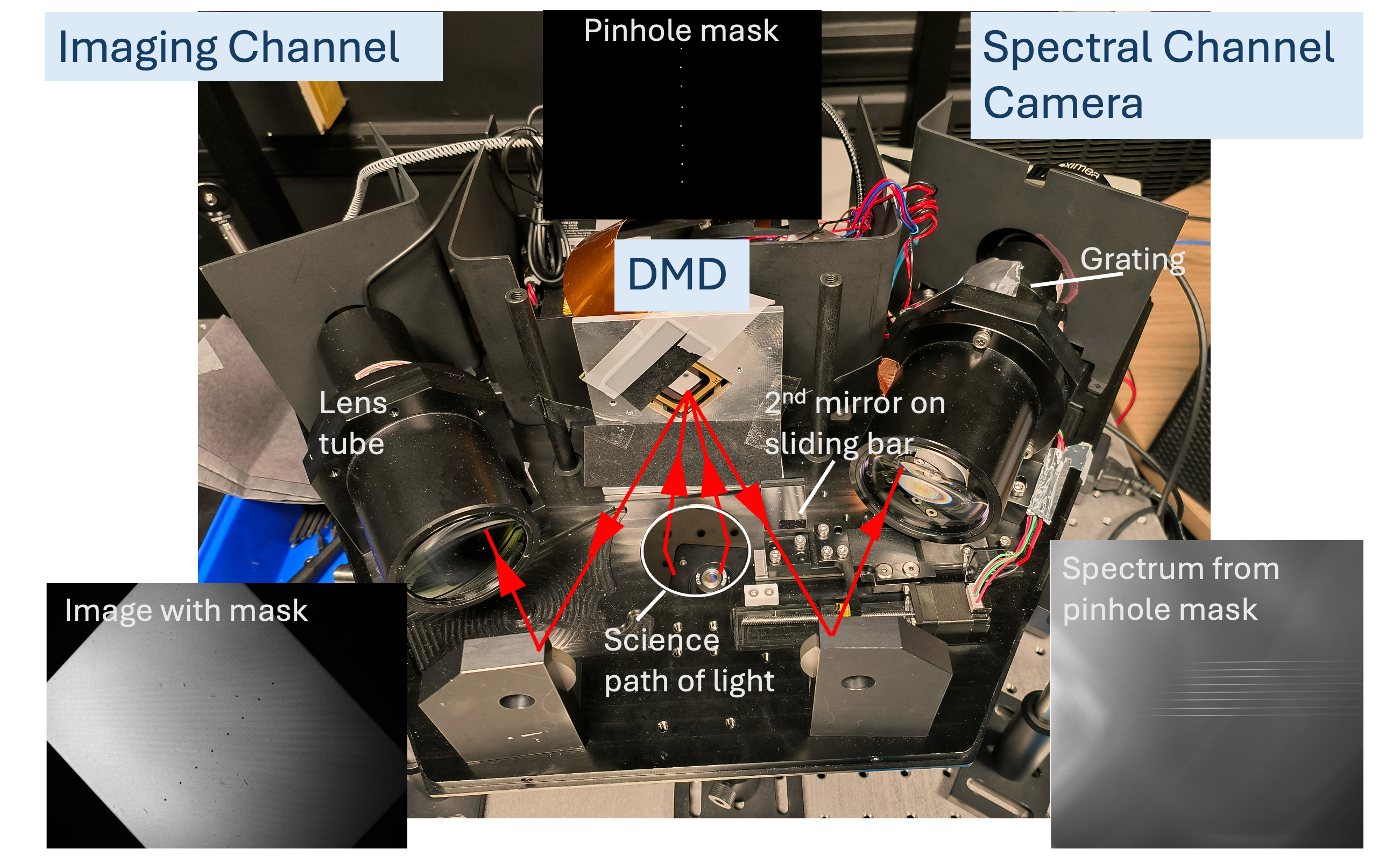
Abandoning the traditional approaches to multi-object spectrographs, DMD-MOS (Digital Micro-mirror Device-based Multi-Object Spectrograph) leverages a robust, elegant approach for mask creation. DMDs are arrays of microscopic flat mirrors where each micro-mirror can be addressed to selectively flip between two discrete angles. With this in mind, we have designed two optical channels for DMD-MOS - one for each of these two discrete positions: 1) an imaging channel that can be used for multi-object target selection and 2) a spectrograph channel. By leveraging this feature, the DMD-MOS can simultaneously image the field of view (FOV) and disperse the selected targets. In this work, we present the results of our laboratory testing of DMD-MOS including spectral resolution, line spread function, wavelength coverage, and the mapping between the DMD and imaging channel planes, the latter of which enables DMD-MOS and our control software to instantaneously configure the DMD to observe the chosen target(s) in the acquisition field.
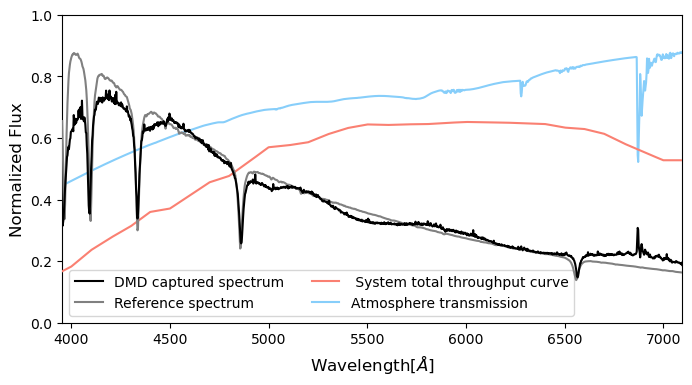
I led the integration and calibration phase, proving system robustness through successful on-sky observations. By co-developing a homography-based tracking algorithm, I achieved excellent spectrum matching and precision target allocation on the DMD micro-mirrors, directly validating the instrument's exceptional optical reliability and high-fidelity performance.
Paper link:
- Jiayi E. Xu, Sarik Jeram, Shaojie Chen, Ting S. Li, Ziang Chen, Zain Azam, Adi Khandelwal, Mark Barnet, Yixuan Cheng, Suresh Sivanandam. "Prototyping the next-generation spectrograph for space exploration: Digital Micromirror Device based Multi-object Spectrograph (DMD-MOS) calibration and performance assessment." SPIE Astronomy Telescopes + Instruments, 2026. [PDF]
- Jiayi E. Xu, Sarik Jeram, Shaojie Chen, Ting S. Li, Ziang Chen, Zain Azam, Adi Khandelwal, Mark Barnet, Yixuan Cheng, Suresh Sivanandam. "Prototyping the next-generation spectrograph for space exploration: Digital Micromirror Device based Multi-object Spectrograph (DMD-MOS) calibration and performance assessment." SPIE Astronomy Telescopes + Instruments, 2026. [PDF]
Poster link:
GigaBIT
Giga-pixel Balloon Borne Imaging Telescope
GigaBIT website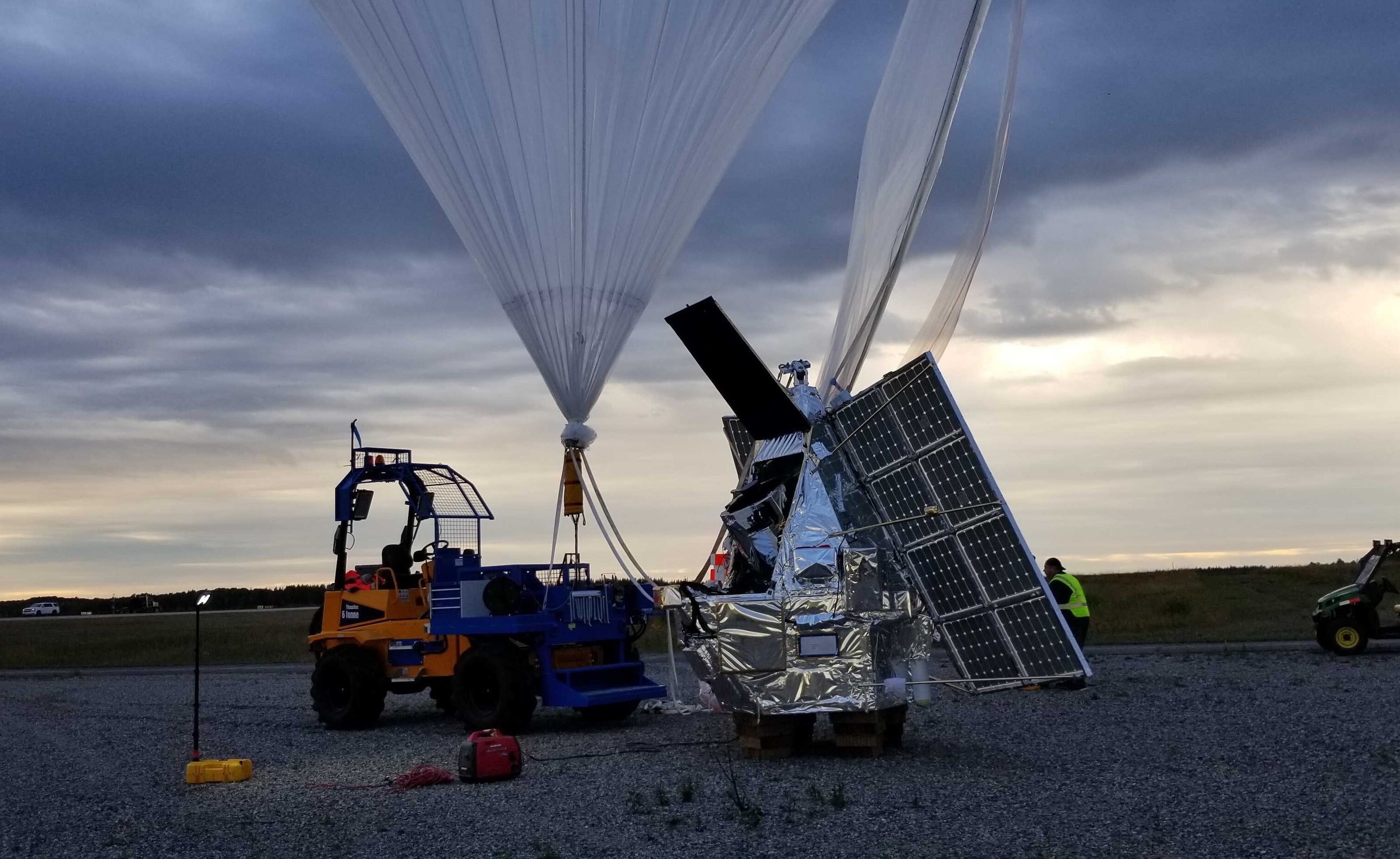
Supervisors: Prof. Barth C. Netterfield, Prof. Ting Li. (UofT)
My work: Filter design and science cases study.
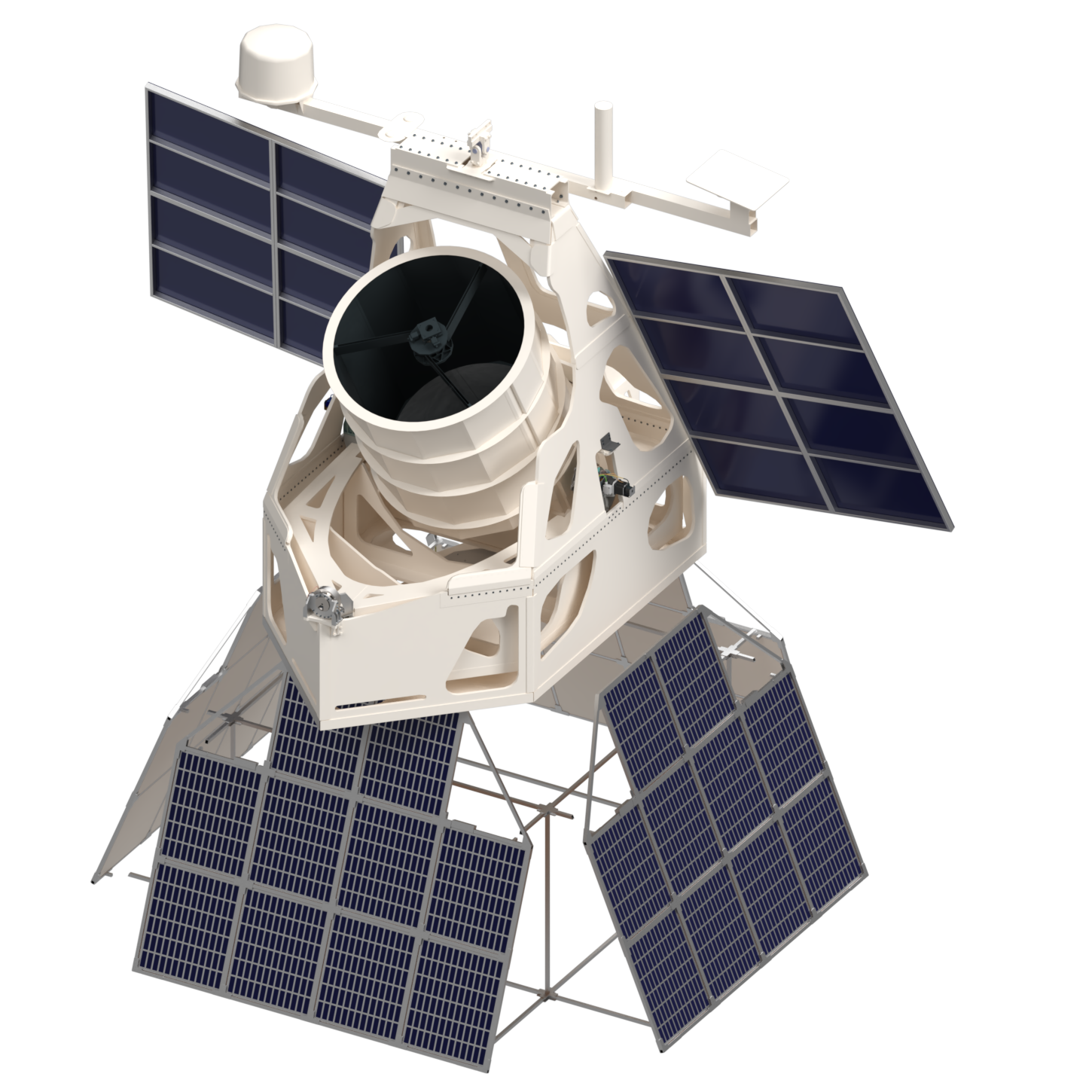
✨ GigaBIT is a balloon borne telescope with 1.3m aperture. It contains 5 IMX811 detectors with 14 sets of filter including both classical broad band filters and specialized narrow band filters for more specific science studies. The estimation launch time for science observations is 2029 in New Zeland. ✨
GigaBIT (Giga-pixel Balloon Borne Imaging Telescope) was designed for deep, wide-field multi-band surveys. Featuring a specialized near-ultraviolet (UV) and narrowband filter system, its primary mission is to break classical stellar parameter degeneracies and reconstruct the chemo-dynamical evolutionary history of the Milky Way. In addition, it could also bring time domain astronomical studies with the observation of a few different types of transients fullfilling the observing limitation from ground-based telescopes.
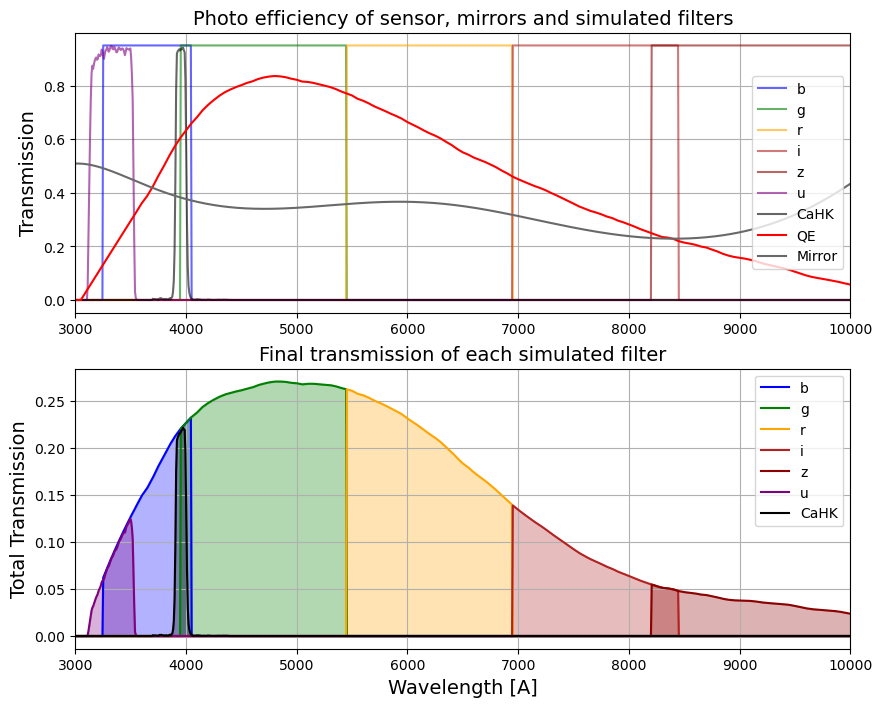
I made a predictive bandpass-to-color empirical model trained with sequential machine learning methods with PHOENIX stellar spectrum libraries. To bridge ideal synthetic photometry with hardware constraints, I integrated an Exposure Time Calculator (ETC) as a dynamic noise engine, injecting realistic readout, dark current, and atmospheric/sky background limits into the simulated flux measurements across different filters. These noise-weighted color errors were then fed into a 4-dimensional Fisher Information Matrix framework. By calculating the sensitivity derivatives within the parameter space, this integrated pipeline successfully projects observational uncertainties directly back into stellar parameter constraints, systematically accounting for the multi-parameter covariances and correlations of effective temperature, surface gravity, metallicity and alpha elements abundance.
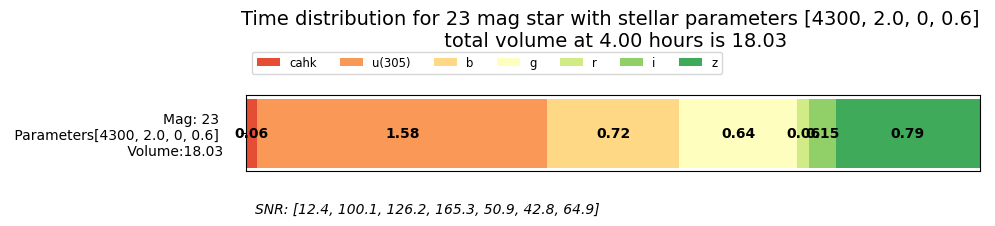
Built apong the Fisher matrix, I further implemented a time-distribution optimization engine to maximize telescope observation efficiency. Instead of employing uniform or empirical exposure times, this algorithmic optimizer interprets specified scientific precision targets—such as separating the multiple stellar populations (MSPs) within globular clusters or filtering out background field star contamination for dim targets—and reverse-engineers the mathematical criteria into custom observation strategies. The engine calculates the exact exposure time allocation required for each filter to reach the maximum scientific output per unit time, serving as a critical bridge between instrument limitations and primary science goals. This framework transforms telescope design from experiential guessing into a rigorous, automated workflow, proving that strategically allocated near-ultraviolet (UV) and narrowband observations can drastically reduce the exposure budget while preserving the multi-dimensional chemical tracking capabilities needed to reconstruct the chemo-dynamical history of the Galaxy.
 Report coming in Sep 2026.
Archived Projects
Gravitational Wave simulation during Cosmic Inflation
Supervisor: Prof. Renée Hložek, Simran Nerval (UofT)
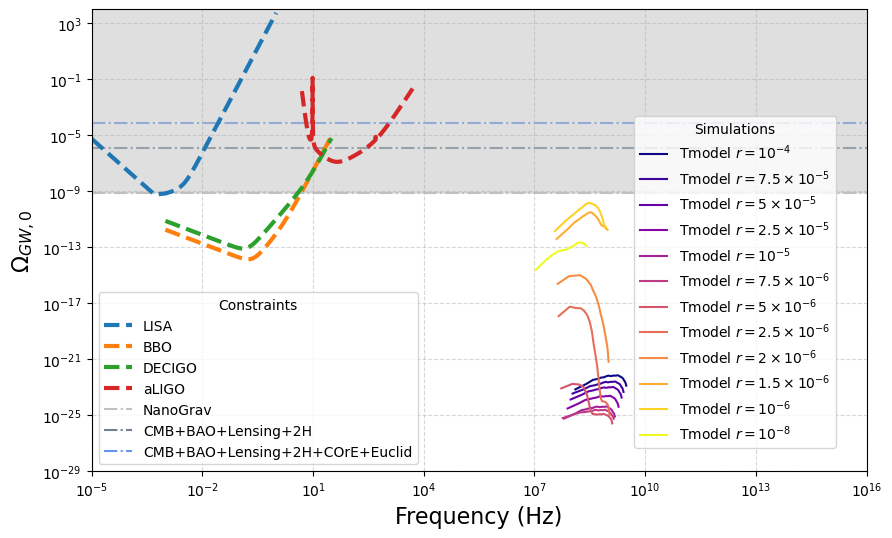
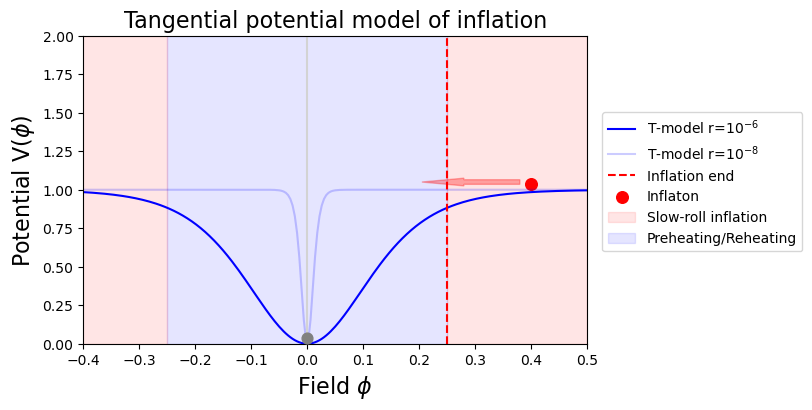 Simulated Stochastic Gravitational Wave Background (SGWB) emitted during inflation with lattice simulations
to explore the non-linear dynamics of the early universe using alpha-attractor models.
Simulated Stochastic Gravitational Wave Background (SGWB) emitted during inflation with lattice simulations
to explore the non-linear dynamics of the early universe using alpha-attractor models.
 Click here to check out the Report
Grating efficiency and Wavefront Error tests for Gemini
Supervisor: Prof. Suresh Sivanandam (UofT)
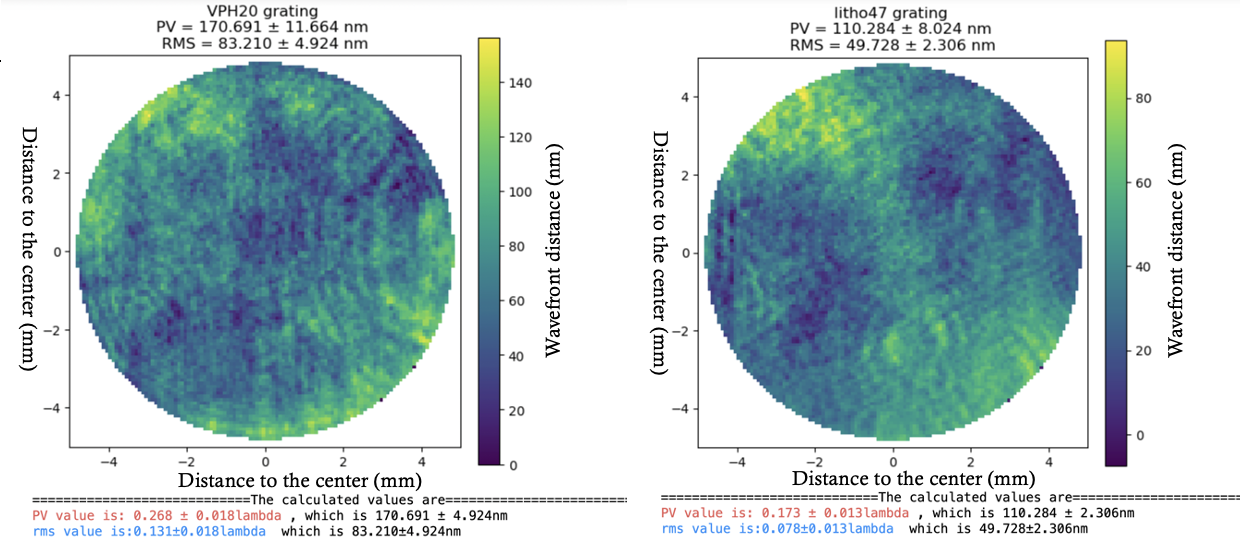
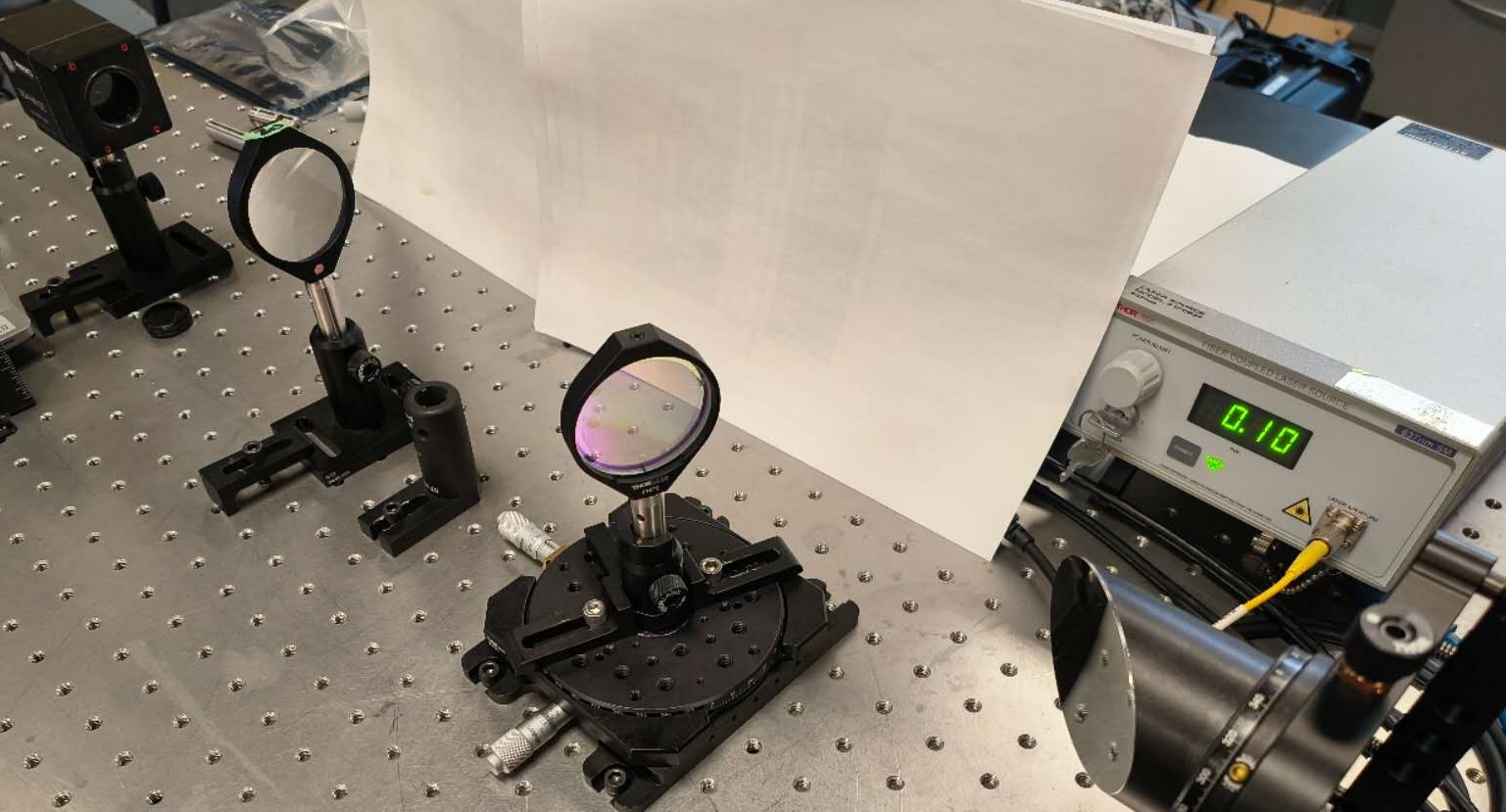 Designed the optical set up for GIRMOS (Gemini Infrared Multi-Object Spectrography) diffraction grating
efficiency and wavefront examination. Tested with monochromic light for precise efficiency at different wavelength measurements.
Designed the optical set up for GIRMOS (Gemini Infrared Multi-Object Spectrography) diffraction grating
efficiency and wavefront examination. Tested with monochromic light for precise efficiency at different wavelength measurements.
 Click here to check out the Report
Research Insterests
Optics related astronomical instrumentations:
Ground-based, space-based, balloon-based telescopes & spectrographs.
System Design, Assembly, Alignment, Calibration.
Science cases study for instruments.
Core Research Skills & Strengths
Python, MATLAB, LATEX, HTML, Fortran.
Fisher matrix, Machine learning (Sequential methods), Statistical analysis.
Hands-on experiments (for optical projects): design, assemble and alignment.
Academic Journey
Awards & Honors
Fellowship for Master degree student of the Department of physics
Summer Undergraduate Research Program Scholarship in Astronomy & Astrophysics
Natural Sciences and Engineering Research Council of Canada – Undergraduate Student Research Award
Award for third-year students with a Cumulative GPA above 3.5/4.0
Award for second-year students with a Cumulative GPA above 3.5/4.0
Selected Publications
- Jiayi E. Xu, Sarik Jeram, Shaojie Chen, Ting S. Li, Ziang Chen, Zain Azam, Adi Khandelwal, Mark Barnet, Yixuan Cheng, Suresh Sivanandam. "Prototyping the next-generation spectrograph for space exploration: Digital Micromirror Device based Multi-object Spectrograph (DMD-MOS) calibration and performance assessment." SPIE Astronomy Telescopes + Instruments, 2026. [PDF]
- Shaojie Chen, Jiayi E. Xu et al. " Prototyping the next-generation spectrograph for space exploration: DMD-Based Multi-Object Spectrograph Design and Production " SPIE Astronomy Telescopes + Instruments, 2026.
Conferences & Talks
CV
My gallery